Why a Cat?
Night vision, a steady stare, daily grooming and a tail shaped like the long tail we model. Our mascot is a working metaphor for how we handle data, and every part of it maps to a promise.
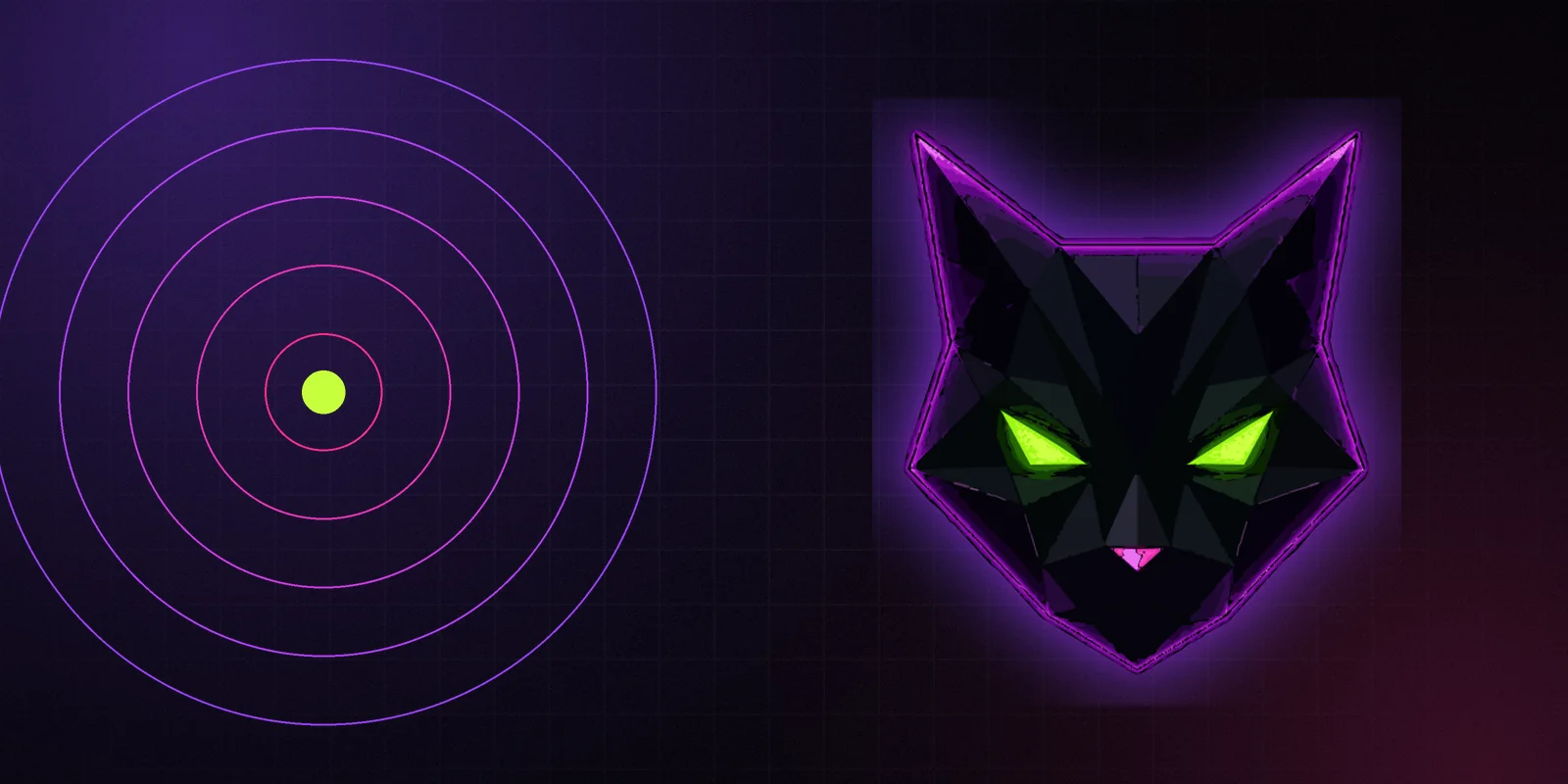
Yes, the name. We know. It's the one joke in the brand, we make it exactly once, and everything else is played straight. Including the cat, which turns out to be a surprisingly precise description of how we work.
When we sat down to pick a mascot, we didn't want a cute animal stuck on a logo. We wanted a creature whose habits matched our promises, so that every time you see it, it reminds you what we've committed to. A cat fit four ways.
1. Night Vision: It Sees a Dark Market
The app market is dark. Apple and Google don't publish downloads or revenue. Developers keep their numbers private. What you can see from outside is a handful of faint signals: a chart position, a ratings count, a price, a review that arrived yesterday.
Cats are built for exactly that kind of light. Behind the retina, a cat's eye has a reflective layer called the tapetum lucidum. Light that passes through the retina without being caught bounces back for a second chance. It's why cats see well in dim light, and why their eyes shine when a beam hits them in the dark.
That's our job: take faint public signals and make the most of every photon. It's also where our accent color comes from. The lime in our palette, which we call Catseye, is the eye-shine. In the product it has one meaning: seen. A live dot on a feed that's collecting. A data point we observed directly. The highlight on an estimate with an A grade. It never goes on a button, because it isn't about action. It's about what's been seen.
2. The Stare: It Looks Straight at You
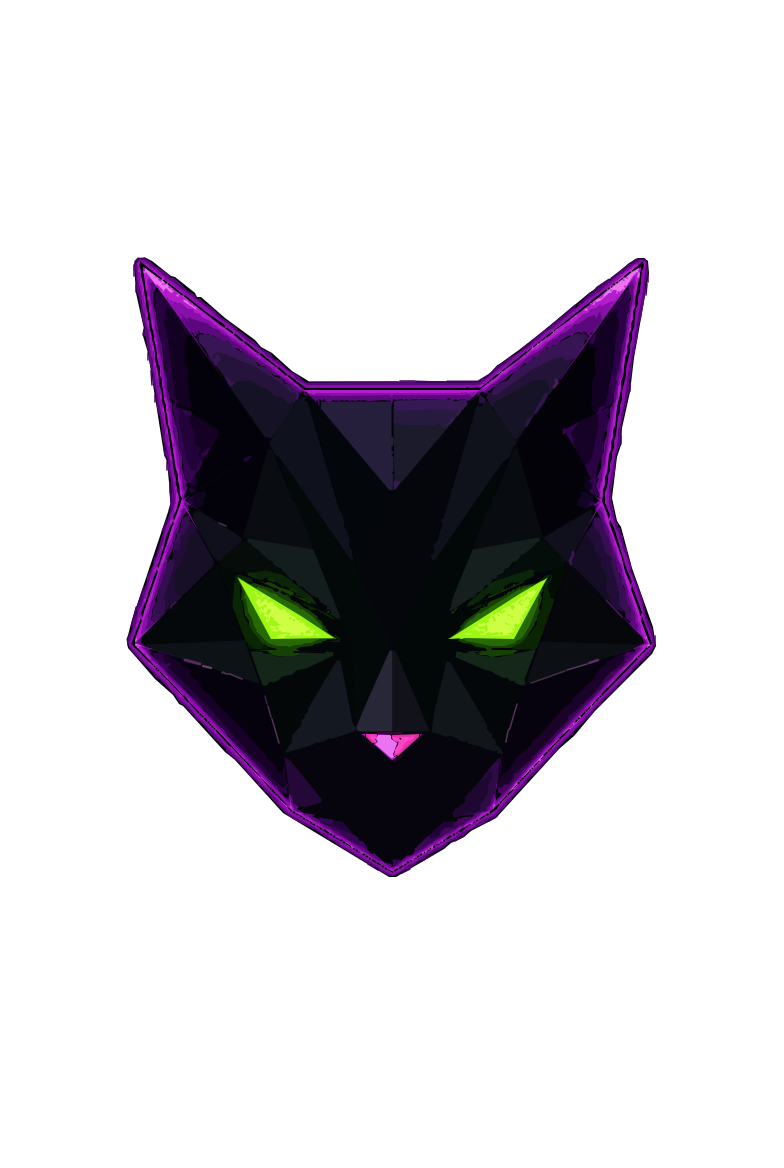
Our cat looks straight at you. In every pose and at every size, its gaze is on the viewer, never off to the side. It's one of the few rules in the brand book with no exceptions.
The stare is a promise about posture. We look at you directly, including when we're wrong. Every estimate ships with a range and a grade, so you can see how sure we are. The methodology is public and versioned. Once a month after launch, the accuracy bulletin shows how often real values landed inside our bands, and when we miss, the miss is in the bulletin, not buried in a footnote.
A cat that glanced away, or posed sideways looking at something off-screen, would be a different kind of company. One that hopes you don't look too closely. We'd rather hold your gaze.
3. Grooming: Clean Data, Every Day
Cats spend a large part of their waking hours grooming. It's not vanity. It's maintenance, done constantly, so the coat keeps working.
Data needs the same treatment. Every day, our collectors visit official endpoints and public pages, and every response gets checked before it's allowed anywhere near an estimate. Responses are validated against strict schemas. Each source has a canary that runs every hour and fails loudly when a page changes shape. Apps that stop answering are marked "not observed since" instead of quietly disappearing. A suppression list strips out what should never be shown. The market, groomed daily.
The tongue is the only magenta element in the mascot. That's deliberate too. Magenta, which we call Tongue, is the single action color in the whole product: buttons, focus rings, the thing you click next. It's never used for errors or for negative numbers, so it never means "something went wrong." On the cat, it marks the act of cleaning. In the interface, it marks the act of doing.
4. The Tail: The Long Tail, Literally
Look at the cat's tail and you'll see a curve that rises steeply and then stretches out. That's not just a nice line. It's the shape we model.
App downloads follow something close to a power law. A few apps at the top of a chart take a large share of the downloads, and then a long tail of apps each takes a little. Our rank-to-downloads model is built on that curve. So the cat carries the core of our methodology around with it, curled behind its back.
There's a second meaning. The long tail is where most apps live, and where most tools are least honest, printing confident figures for apps they barely see. That's why we hide the point estimate below roughly 10k downloads or roughly $10k a month, and why grades there are often C or D. The tail is where humility matters most.
The Rules We Gave the Cat
A mascot carries a brand only if it's used with discipline. So the cat has rules:
- It always looks at you. No side glances, no gazing off-screen.
- The logo never appears without it. The name and the cat travel together.
- It is never posed like a person, and never posed suggestively. It's a cat. It behaves like one.
- Lime means seen, magenta means act. The two colors keep their jobs everywhere, on the cat and off it.
- Motion is optional. If you've asked your system for reduced motion, the cat holds still. It blinks for the rest of us.
What the Cat Is Not
It's not a joke about the name, and it's not there to soften a serious product. It's a reminder, at every size from favicon to hero illustration, of four commitments: see what's faint, look at you straight, keep the data clean, and respect the long tail.
If you ever catch us breaking one of them, call us out. Cats don't take criticism well. We do.
More from the blog
Methodology, honest numbers and the tools around them.
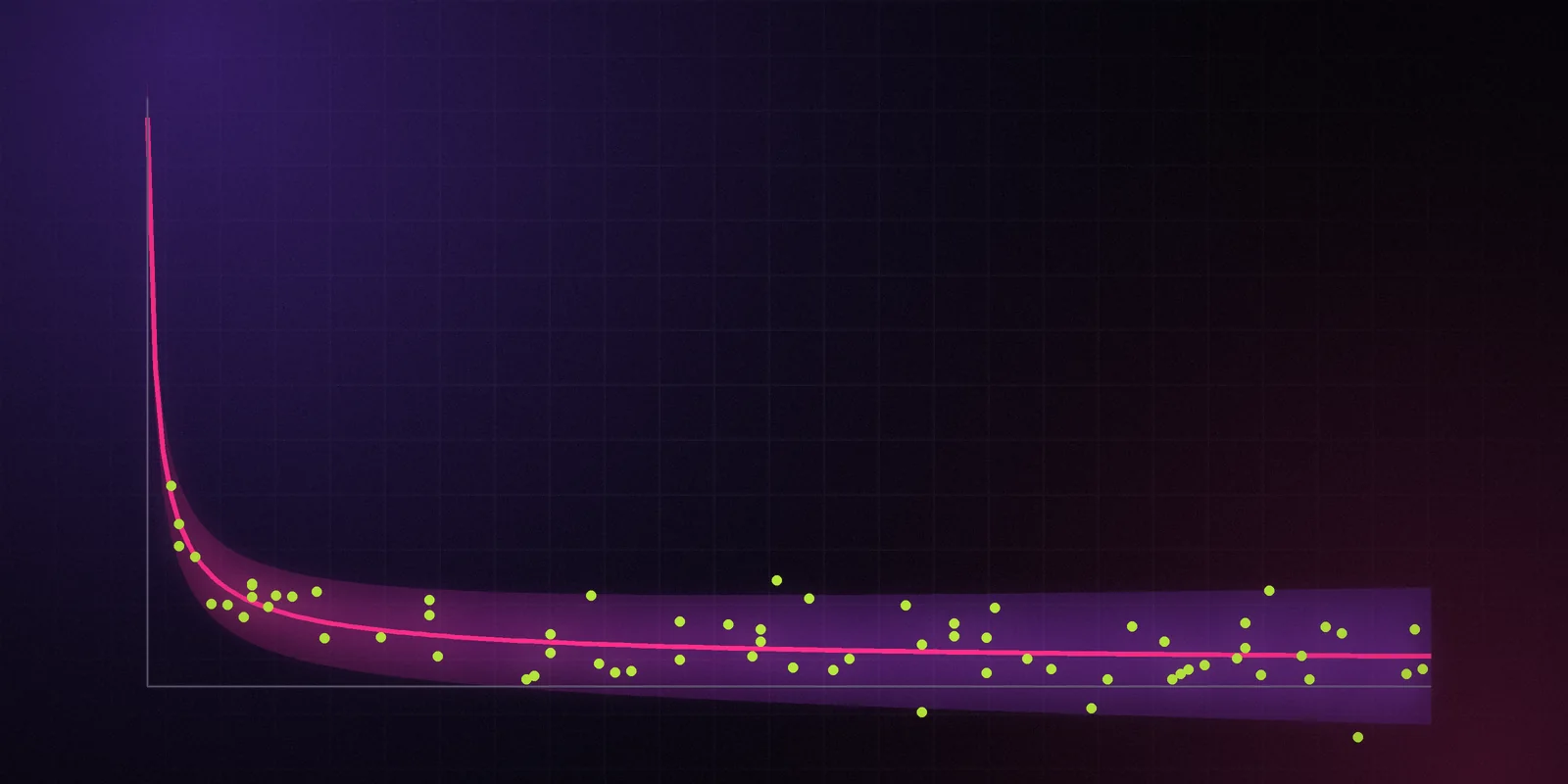
How We Estimate Downloads, Revenue and Ad Spend (Methodology v0)
The three models behind every DataPussy estimate, what we observe and what we model, how grades work, what we refuse to show, and how the method gets versioned. Version 0, and subject to change.
DataPussy Team
Methodology
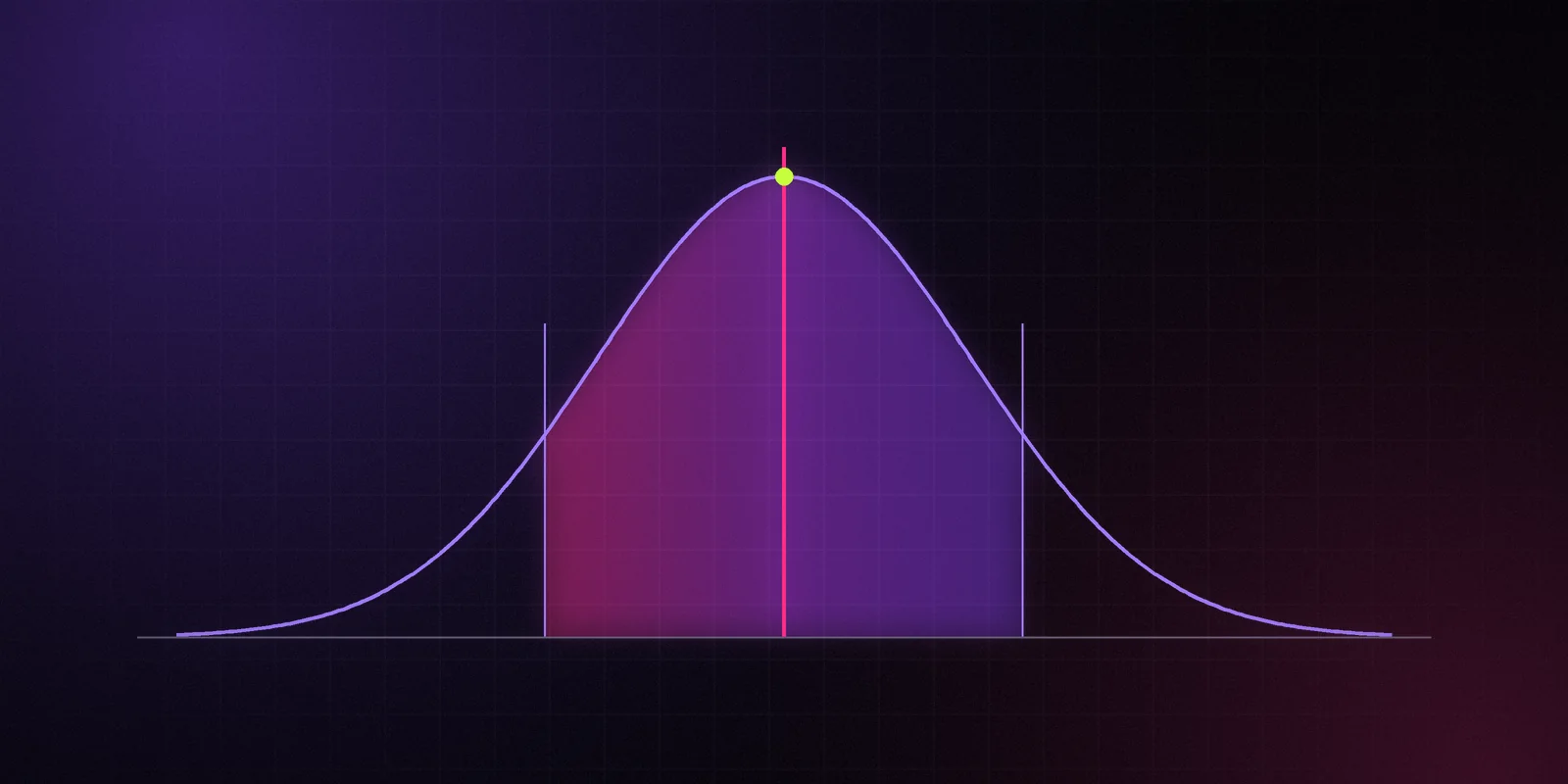
Why Every Number Ships With a Range
A single download figure hides how unsure the model is. Here is how to read P10, P50 and P90, why a wide band is information rather than failure, and how to make decisions with ranges.
DataPussy Team
Methodology
What A, B, C and D Mean on a DataPussy Estimate
The band tells you how wide an estimate is. The grade tells you how much to trust the band. Here is what goes into each grade, why some segments get a D by rule, and how grades should change the way you use a number.
DataPussy Team
Methodology
Stop guessing in the dark.
The free plan, the first Data Drops and the private alpha go to the waitlist first.