Why Our Homepage Has No Testimonials (Yet)
No quotes, no logo wall, no user counter, no star ratings. Before launch we have no customers to quote, and the rules on fake reviews are clear. Here is what we show instead: receipts.
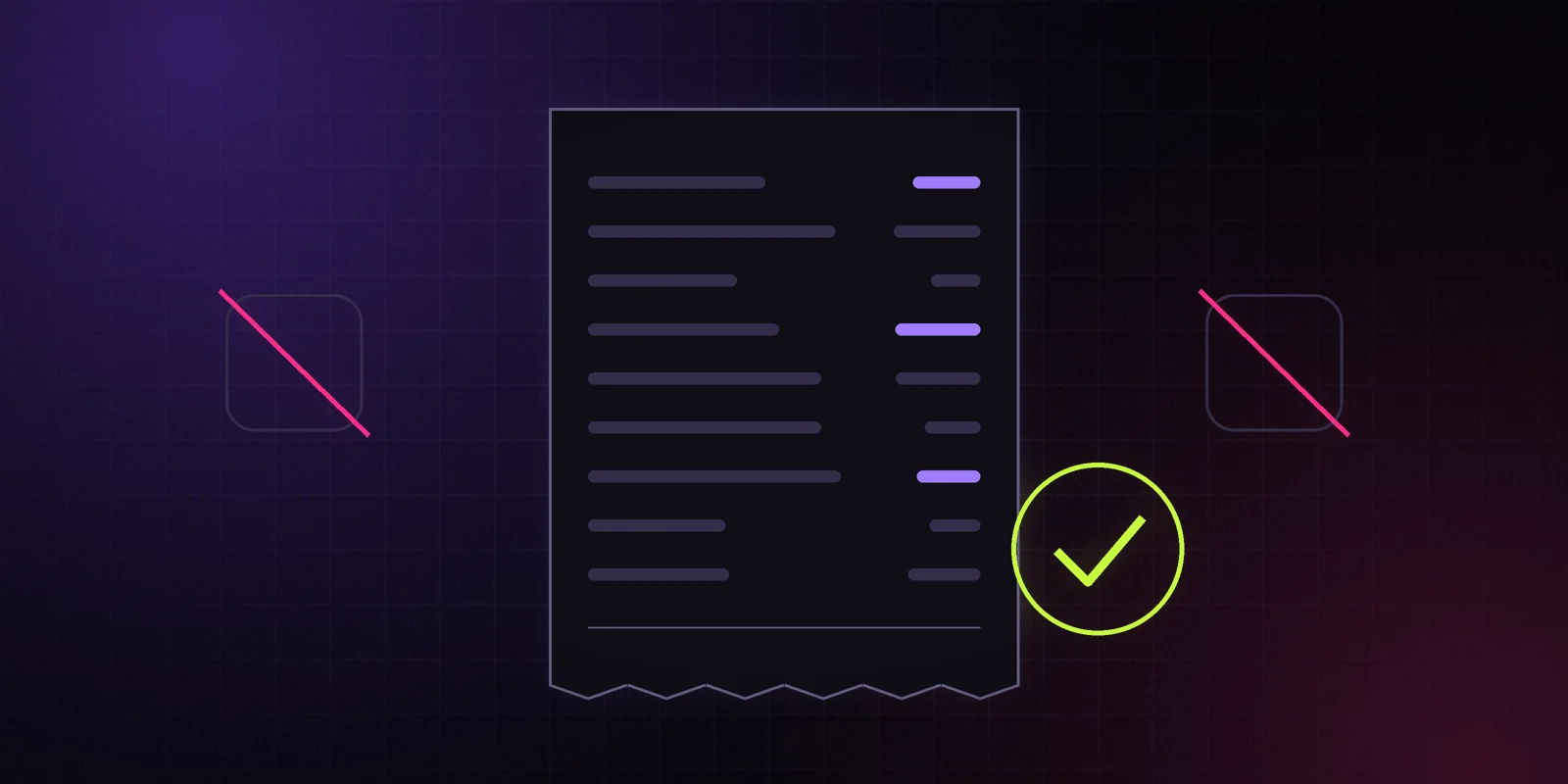
Scroll a typical SaaS homepage and you'll find the same furniture. A row of grey logos. Three smiling headshots with a quote each. "Trusted by thousands of teams." Five gold stars and a rating with one decimal place.
Scroll ours and you won't find any of it. Not because we forgot. Because we don't have customers yet, and we're not going to pretend we do.
The Simple Reason: We Haven't Launched
DataPussy is pre-launch. Nobody has paid us, so nobody can tell you what it's like to pay us. Any quote we put on the homepage today would be made up, borrowed from someone who hasn't used the product, or written by us and signed with a stranger's name. A logo wall would be a list of companies we'd like to work with. A user counter would count people who don't exist.
That's not social proof. It's set dressing. And it's exactly the kind of thing that makes people distrust every other number on the page, which is a bad trade for a company whose whole product is numbers.
The Rules Are Clear, Too
Even if we were tempted, the law isn't ambiguous. A quick summary, with the caveat that we're not lawyers and this isn't legal advice.
In the United States, the FTC's Trade Regulation Rule on the Use of Consumer Reviews and Testimonials, 16 CFR Part 465, took effect in October 2024. Among other things, it prohibits:
- Fake reviews and testimonials, including ones attributed to people who don't exist or who never used the product.
- Buying reviews or testimonials that are conditioned on a particular sentiment.
- Undisclosed reviews from company insiders.
- Review sites that claim to be independent but are run by the company being reviewed.
- Fake social media indicators, such as bought followers or views, used to misrepresent influence.
Violations can carry civil penalties.
In the European Union, the Unfair Commercial Practices Directive, as updated by the Omnibus Directive, puts fake reviews and fake endorsements on its blacklist of practices that are always unfair. Businesses that show consumer reviews also have to say whether and how they check that those reviews come from people who actually used the product.
So the rule is the same on both sides of the Atlantic: if it isn't real, it doesn't go on the page.
What We Show Instead: Receipts
If we can't show you what customers think, we can show you how we work. Where most homepages put testimonials, ours has a section called Receipts. Everything in it is a thing you can check.
- The method version. Every estimate carries the
method_versionthat produced it. The homepage shows the current one and links to the full, public methodology. - The changelog. Every product change and every model change, dated. When a method moves, you can see what changed and why.
- The accuracy bulletin. Once a month after launch, we compare our estimates with real data from apps that share it with us, and publish how often the real value landed inside our P10–P90 band, segment by segment. Misses included.
- The status page. Whether each data source is collecting, and when it last ran cleanly.
- The dispute form. If you're a developer and you think an estimate about your app is wrong, you can tell us, and a person reviews it.
- Claim your app. Connect real data, help calibrate the model, and decide whether your verified numbers are shown.
None of that requires you to take our word for anything. That's the point.
A Promise Register Behind the Copy
There's a less visible piece too. Internally, we keep a register that ties every public claim to the system rule that makes it true, the clause in our terms that commits us to it, and a test that checks it. If the homepage says p10 and p90 are in every view, there's a test that fails the build when they aren't. If the methodology says a point estimate is hidden below a threshold, a test checks that it is.
Copy that can't be tested doesn't ship.
No Fake Urgency Either
The same principle covers the rest of the persuasion toolkit. No countdown timers that reset when you reload. No "only 3 spots left" that never runs out. When we offer a founder plan, it will have a real cap and a real end date, and both will be true.
When Testimonials Will Appear
After launch, and only when they're real. Here's what that means to us:
- A real person, at a real company, who actually used the product.
- Their explicit consent to be quoted, and to have their name and company shown.
- A clear disclosure of any relationship. Partner apps get free access in exchange for sharing ground truth with us. If one of them is ever quoted, that arrangement will be stated right next to the quote.
- No editing that changes what they meant, and no hiding the critical ones.
Until then, the space stays empty. We'd rather show you a wide band with an honest grade than a perfect five stars from nobody.
The Short Version
Trust is built from things you can verify. Before launch, the only things we can honestly put in front of you are our method, our changelog and our commitment to publish how accurate we turn out to be. So that's what's on the homepage. The testimonials can wait until they're true.
More from the blog
Methodology, honest numbers and the tools around them.
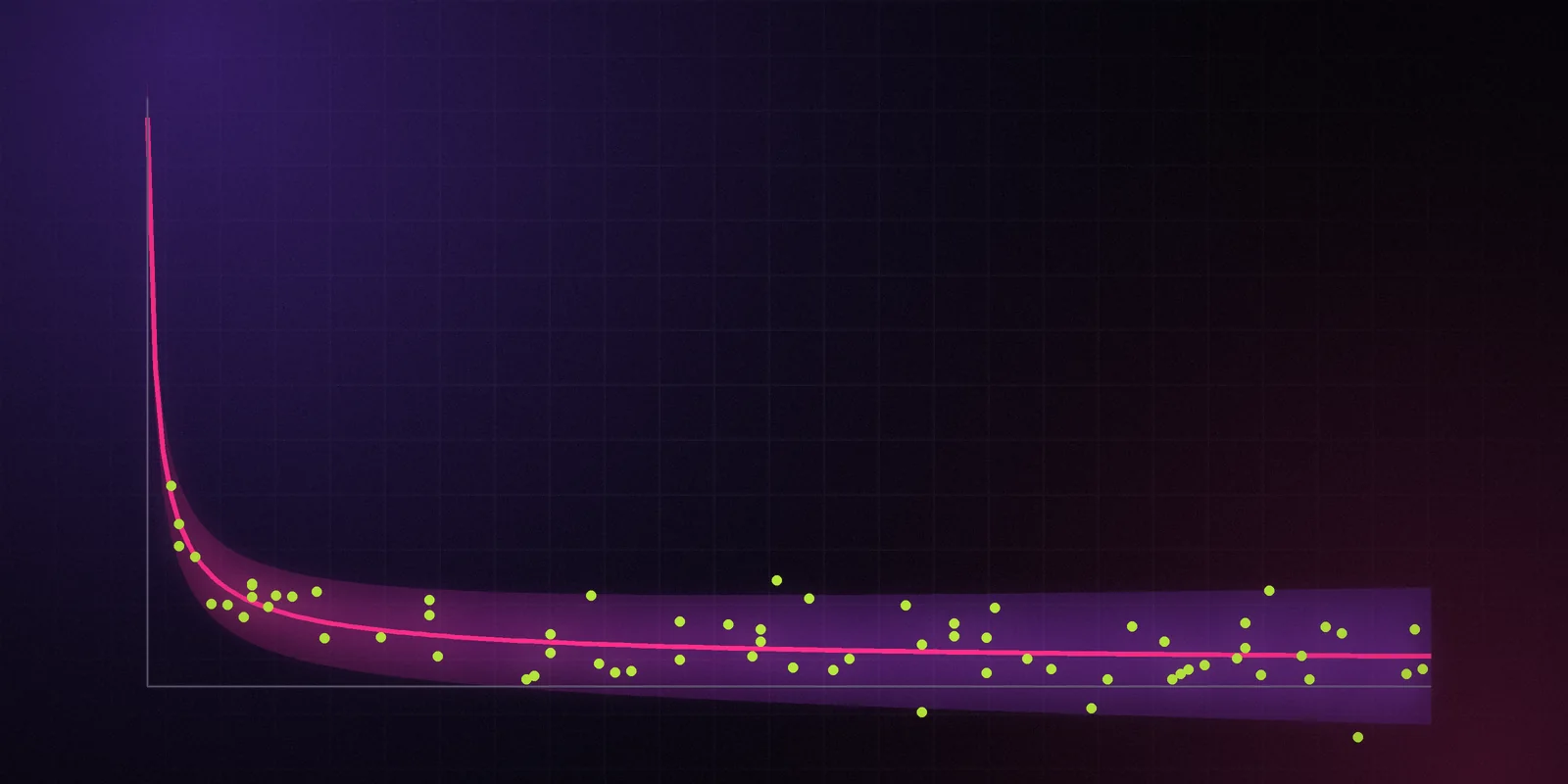
How We Estimate Downloads, Revenue and Ad Spend (Methodology v0)
The three models behind every DataPussy estimate, what we observe and what we model, how grades work, what we refuse to show, and how the method gets versioned. Version 0, and subject to change.
DataPussy Team
Methodology
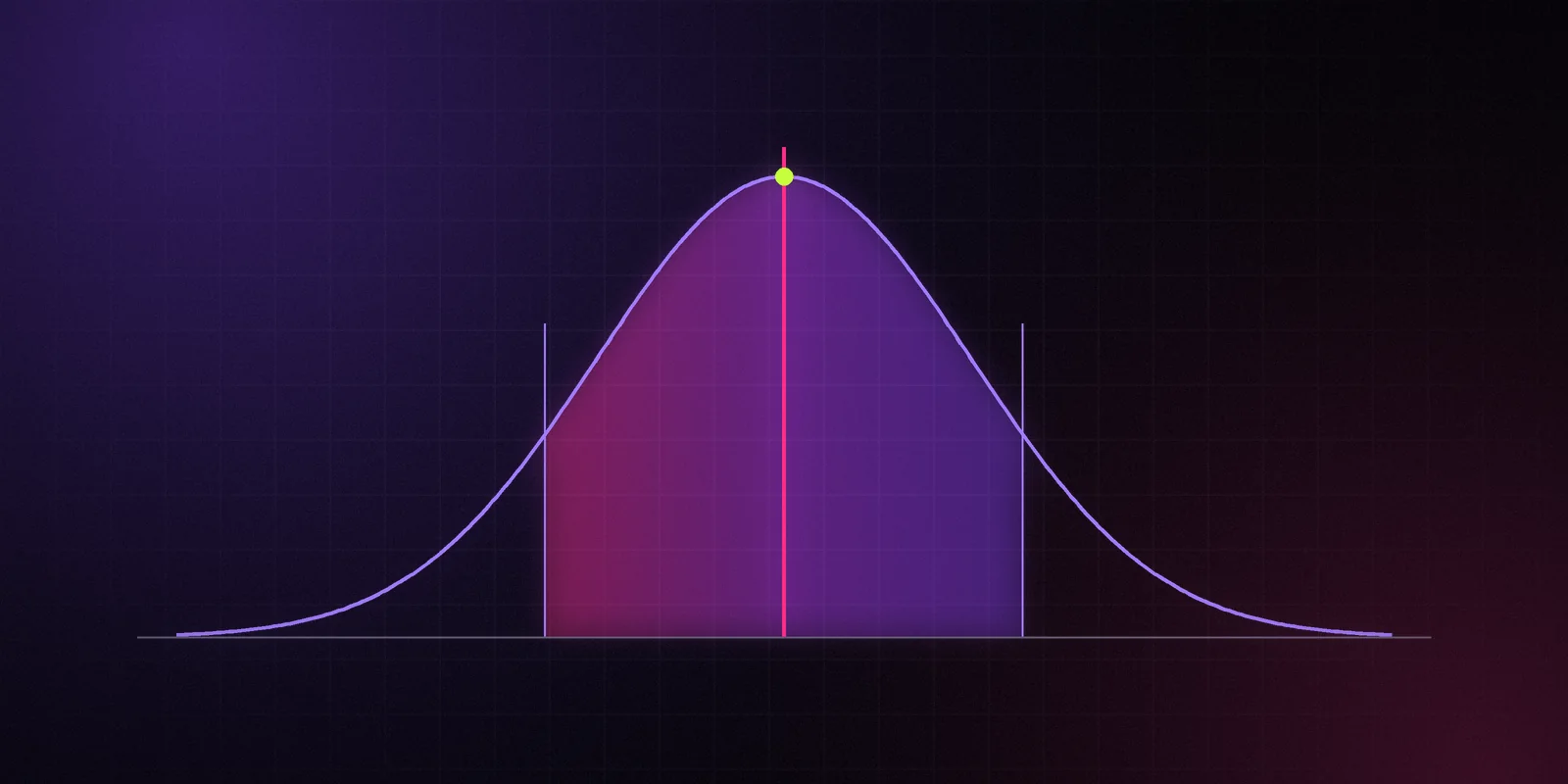
Why Every Number Ships With a Range
A single download figure hides how unsure the model is. Here is how to read P10, P50 and P90, why a wide band is information rather than failure, and how to make decisions with ranges.
DataPussy Team
Methodology
What A, B, C and D Mean on a DataPussy Estimate
The band tells you how wide an estimate is. The grade tells you how much to trust the band. Here is what goes into each grade, why some segments get a D by rule, and how grades should change the way you use a number.
DataPussy Team
Methodology

Stop guessing in the dark.
The free plan, the first Data Drops and the private alpha go to the waitlist first.